
Top Tips for Marketing for a Trade Show
Top Tips for Marketing for Trade Shows
Successful exhibits begin long before attendees step onto the show floor. Effective marketing for trade shows helps businesses generate interest, attract qualified prospects, and create stronger event outcomes. Companies working with Southeast Exhibits & Events in Atlanta, Las Vegas, and Orlando often find that a thoughtful marketing approach improves booth traffic and supports better conversations throughout the event. A strong plan integrates pre-show promotion, booth design, attendee engagement, and post-show follow-up into a single coordinated effort.
The Role of Marketing in Trade Show Success
Even the most impressive exhibit benefits from a strong promotional strategy. Marketing helps companies build awareness before the event, attract the right audience, and encourage meaningful interactions on the show floor. It also helps exhibitors communicate their value clearly and consistently. When marketing efforts align with event goals, businesses can generate more qualified leads, increase brand recognition, and create stronger opportunities for future growth. It’s why having a pre-planned checklist for your trade show marketing is so crucial, and how following a few tips can help you make the most of your event.
Pre-Show Marketing Activities That Build Awareness
Trade show success often starts weeks before the event. Consistent outreach helps attendees recognize your brand and gives them a reason to visit your booth:
- Email Campaigns – Send event announcements to prospects, customers, and industry contacts. Include booth locations, product showcases, and opportunities to schedule meetings.
- Social Media Promotion – Share countdown posts, team introductions, product highlights, and event updates. These posts help build anticipation before the show begins.
- Landing Pages – Create dedicated event pages that explain what visitors can expect. Include contact forms and appointment scheduling options.
- Personal Outreach – Reach out directly to key prospects and customers. Pre-scheduled meetings often lead to more productive conversations.
- Exhibitor Directory Listings – Complete event profiles with clear company descriptions and product information. Many attendees review exhibitor lists before arriving.
- Exclusive Offers – Promote product demonstrations, giveaways, consultations, or event-only promotions. Special incentives can encourage visitors to seek out your booth.
Aligning Booth Design With Marketing Objectives
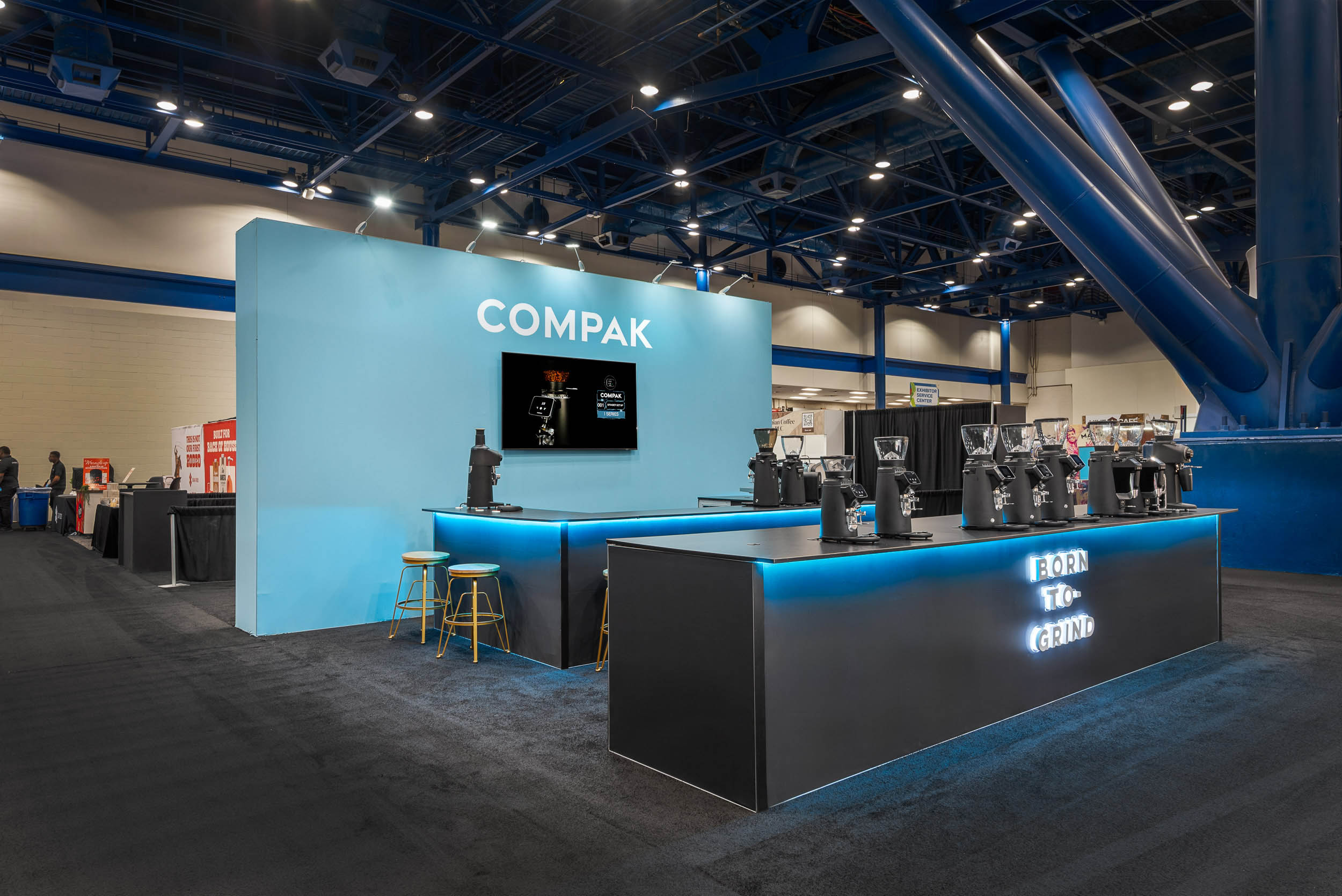
Your exhibit should support the goals outlined in your trade show marketing strategy. Design decisions can influence how visitors interact with your brand and what actions they take after visiting your booth:
- Lead Generation – Include QR codes, meeting areas, and lead-capture technology. These features help staff collect contact information efficiently.
- Product Launches – Use demonstration stations, video displays, and large product images. These elements help visitors quickly understand new offerings.
- Brand Awareness – Prioritize strong logo placement, bold graphics, and elevated signage. Clear branding improves recognition across the show floor.
- Customer Education – Add digital screens, product information displays, and presentation areas. These features support deeper conversations.
- Relationship Building – Provide comfortable seating areas that encourage longer discussions. A welcoming environment can strengthen business connections.
- Traffic Generation – Incorporate interactive displays, product demonstrations, or hands-on experiences. These elements often encourage attendees to stop and engage.
Leveraging Digital Marketing Throughout the Event
Marketing should continue after the exhibit hall opens. Real-time updates can help drive additional traffic while keeping your audience engaged. Share event photos, demonstration clips, customer interactions, and team updates throughout the show. Furthermore, encourage attendees to connect through social media and digital channels. Live content can extend your event’s reach beyond the convention center and help maintain excitement during the show.
Turning Trade Show Opportunities Into Long-Term Growth
Trade shows often create opportunities that extend far beyond the event itself. Follow-up communication helps maintain momentum after initial conversations. Reach out promptly to leads, provide requested information, and continue nurturing new relationships. In addition, review event results to identify which marketing activities generated the strongest response. A well-executed trade show marketing plan turns short-term engagement into long-term business opportunities and stronger customer relationships.
Strengthen Your Next Trade Show Marketing Strategy
Strong exhibits deserve strong promotion. A well-developed marketing strategy helps businesses attract attention, increase engagement, and generate more value from every event. Whether you’re preparing for a local expo or a major industry convention, Southeast Exhibits & Events can help support your goals. Contact us today to discuss exhibit solutions that complement your next trade show marketing effort.
Frequently Asked Questions
What Is a Trade Show Marketing Strategy?
A trade show marketing strategy is a plan that outlines how a company will attract attendees, promote its brand, and generate leads before, during, and after an event. It typically includes audience targeting, promotional activities, booth engagement tactics, and follow-up efforts. The goal is to maximize visibility and improve overall event performance.
When Should I Start Marketing for a Trade Show?
Most exhibitors benefit from beginning promotional efforts several weeks before the event. Early outreach provides time to schedule meetings, build awareness, and generate interest among attendees. Marketing activities should include email campaigns, social media promotions, event listings, and direct communication with prospects. Starting early can help increase booth traffic and create stronger engagement once the event begins.
What Should a Trade Show Marketing Plan Include?
A successful trade show marketing plan should outline the actions needed before, during, and after the event. Clear expectations help teams stay organized and focused on measurable results:
- Event Goals – Define priorities such as lead generation, product awareness, or customer engagement.
- Target Audience – Identify the attendees most likely to benefit from your products or services.
- Promotional Activities – These should include email campaigns, social media content, digital advertising, and customer outreach.
- Booth Engagement Strategy – Plan demonstrations, presentations, giveaways, or interactive experiences that encourage guests to stop by.
- Lead Management Process – Establish a system for collecting and organizing attendee information.
- Follow-Up Schedule – Create a timeline for post-event communication and lead nurturing activities.
- Performance Metrics – Determine how success will be measured, including leads generated, meetings held, or new opportunities created.
