
Immersive Booth Experience Ideas
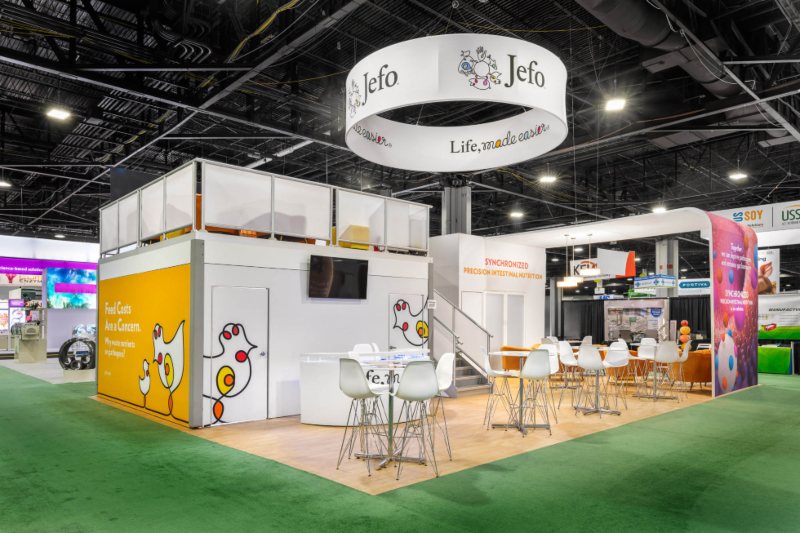
Immersive Booth Experience Ideas That Actually Work
Trade shows in Atlanta, Orlando, and Las Vegas are louder and more competitive every year. Attendees walk fast, scan booths quickly, and make split second decisions about where to stop. An interactive trade show booth gives your brand a better chance to slow them down and start a real conversation. The goal is not flash for the sake of flash. It is creating a space that invites people in and keeps them engaged long enough to understand what you do.
Immersive booth design is about using layout, technology, and storytelling together. When done right, it helps visitors feel involved instead of sold to. Below are practical ideas businesses can use to build stronger connections on the show floor.
Start With a Clear Experience Goal
Before choosing screens or interactive tools, decide what the booth should accomplish. Are you launching a product, booking demos, or building brand awareness? Creating immersive exhibit booths starts with defining the experience from the attendee’s point of view.
For example, a software company might want visitors to complete a short hands-on demo. A manufacturer may want to show how a product works in a real environment. Once the goal is clear, every design choice supports that outcome.
Design the Booth Like a Walk In Story
Immersive booth design works best when visitors feel like they are stepping into a story instead of standing in a sales line. This starts with the layout. Open entry points encourage foot traffic. Clear sight lines help people understand what is happening inside the booth.
Use graphics and lighting to guide movement. Flooring changes can signal where to stand or interact. Walls can be used to tell a simple story in stages. When someone walks through the booth, each area should build on the last.
Use Interactive Tradeshow Tech With Purpose
Interactive tradeshow tech should support the message, not distract from it. Touchscreens, motion sensors, and interactive walls work best when they are intuitive. If someone needs instructions, the moment is already lost.
Touchscreens can be used for product selectors, quick quizzes, or personalized recommendations. Motion based interactions allow people to explore content without touching a screen, which is helpful in busy environments. The key is speed. Most interactions should take under two minutes.
AR & Gamification at Events
AR and gamification at events are powerful tools when used carefully. Augmented reality allows visitors to see products in action without needing physical space. For example, a visitor can point a tablet at a product image and see a 3D model come to life.
Gamification adds motivation. Simple games like spin to win, timed challenges, or scavenger hunts keep people engaged. The reward confirms the experience, not overshadows it. A short game tied to your product benefits works better than a generic giveaway.
Live Demos Create Real Engagement
Live demonstrations remain one of the most effective immersive booth experience ideas. Seeing a product used in real time builds trust. It also creates a natural reason for people to stop and watch.
Schedule demos at set times and promote them with signage. Keep them short and repeatable. Encourage questions during or after the demo to pull visitors deeper into the conversation. A small crowd often attracts a larger one.
Create Spaces for One-on-One Conversations
Not every interaction should be public or high energy. Creating immersive exhibit booths also means planning quiet zones for serious discussions. Small seating areas or semi-private corners allow sales teams to talk details without distractions.
These areas can still feel immersive through consistent design, branded visuals, and subtle technology like tablets or small monitors. The goal is comfort and focus.
Use Lighting & Sound Thoughtfully
Lighting plays a major role in immersive booth design. Bright overhead lights attract attention, while softer lighting creates comfort. LED accents can highlight key areas or products.
Sound should be controlled. Directional audio allows you to include video or narration without overwhelming the space. Avoid loud loops that compete with neighboring booths. Clear audio at the right volume improves the overall experience.
Make It Easy to Capture Leads
An interactive trade show booth should make lead capture feel natural. Badge scanners, tablet forms, or game-based entries work well. Tie lead capture to the experience itself. For example, results from a quiz can be emailed to the visitor.
Always explain what will happen next. People are more willing to share information when they understand the value.
Adapt Ideas for Different Cities & Venues
Trade shows in Atlanta, Orlando, and Las Vegas each have different audiences and venue layouts. Modular booth designs allow you to adapt immersive elements for each location. A setup that works in a large Las Vegas hall may need adjustments for a tighter Orlando space. Flexible technology, movable walls, and scalable graphics help maintain a consistent experience across shows.
Measure What Worked & Improve
After the show, review what performed well. Which interactions drew the most people. Which demos led to conversations. Use that feedback to refine future booths. Immersive booth experience ideas are not one-time solutions. They evolve with your audience and goals.
Partner With the Right Exhibit Team
Executing immersive booth design requires planning, technical knowledge, and experience. Southeast Exhibits & Events helps businesses build interactive trade show booth environments that attract attention and drive results.
From interactive tradeshow tech to AR and gamification at events, the right partner ensures everything works together smoothly. When your booth tells a clear story and invites participation, it becomes more than a display. It becomes a destination.
