
The Significance of Storytelling in Trade Show Marketing
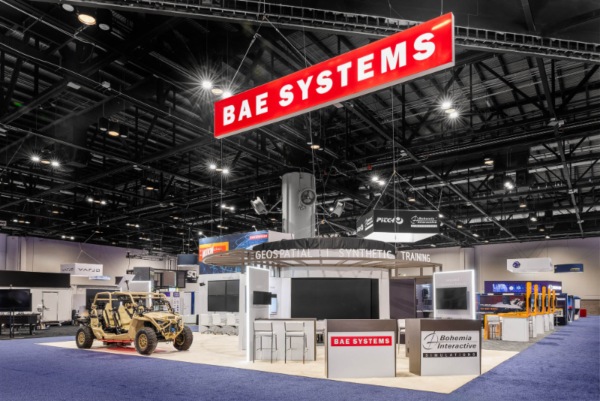
Trade shows in Atlanta, Orlando, and Las Vegas are busy, crowded, and competitive. Attendees move quickly and make fast decisions about which booths deserve their time. In that environment, product features alone rarely stand out. Storytelling in booth design gives people a reason to stop, listen, and engage.
A strong story helps visitors understand who you are before a sales pitch even begins. It creates context and direction. Instead of asking attendees to piece things together on their own, the booth guides them through a clear message. When people understand your story, conversations become easier and more productive.
Storytelling Is More Than Graphics on a Wall
Storytelling in trade show marketing goes far beyond booth graphics or banners. Visuals matter, but brand storytelling at events includes layout, flow, messaging, lighting, and how staff interact with visitors. Every detail either supports the story or distracts from it.
Think of the booth as a short experience instead of a static display. As someone approaches, the booth should answer basic questions quickly. What does this company do? Who is it for? Why should I care? Clear storytelling removes friction and makes engagement feel natural.
Building a Story Arc for Your Trade Show Booth
Building a story arc for your trade show booth helps turn curiosity into understanding. Like any good story, it should have a beginning, middle, and end that feels intentional.
The beginning attracts attention. This may be a headline that speaks to a common challenge or a visual that reflects a familiar situation. The middle explains the solution. This is where product demos, videos, or interactive elements come into play. The end focuses on outcomes. It shows what success looks like when someone works with your company.
When the story flows logically, visitors stay longer. They ask better questions and are more likely to remember your brand after the event.
Creating an Emotional Connection With Attendees
An emotional connection with attendees is what turns a booth visit into a real memory. Facts and features are important, but emotion is what drives decisions. Storytelling allows brands to show empathy and understanding.
Sharing real world examples, customer challenges, or before and after scenarios helps visitors see themselves in the story. This does not need to be dramatic. Simple, honest examples are often the most effective. When people feel understood, trust builds faster.
Narrative Marketing Trade Shows Use to Cut Through Noise
Narrative marketing trade shows rely on focuses on clarity rather than volume. Instead of trying to say everything at once, the story highlights what matters most to the audience. This makes the message easier to absorb in a busy environment.
A clear narrative also keeps booth staff aligned. When everyone understands the core story, messaging stays consistent even during peak traffic. This consistency helps reinforce credibility and professionalism.
How Booth Design Supports the Story
Storytelling in booth design is closely tied to how the space is organized. Open layouts invite people in. Defined zones allow different parts of the story to unfold naturally. For example, the front of the booth may focus on the problem your audience faces. The center can demonstrate the solution through hands on interaction. A quieter area toward the back allows for deeper conversations about implementation or next steps. Each zone plays a role in moving the story forward.
Technology as a Storytelling Tool
Technology can strengthen storytelling when used with purpose. Screens, interactive displays, and videos should support the narrative, not overwhelm it. Short, focused content works best.
Interactive tools allow visitors to engage at their own pace. This makes the story feel personal rather than scripted. The key is simplicity. If the technology is confusing, it pulls attention away from the message.
Train Booth Staff to Deliver the Story
Booth staff are a critical part of brand storytelling at events. Even the best design can fall flat if conversations feel disconnected. Staff should understand the story and know how to adapt it based on who they are speaking with. Encourage staff to listen first. The story should respond to the visitor’s needs and priorities. This keeps interactions natural and avoids a one size fits all pitch.
Adapting Storytelling for Different Cities and Audiences
Trade shows in Atlanta, Orlando, and Las Vegas attract different industries and decision makers. While the core story should stay consistent, examples and emphasis can shift based on the audience. Local references, industry specific scenarios, or show focused messaging help the story feel relevant. Flexible booth design makes these adjustments easier without sacrificing brand consistency.
Measuring the Impact of Storytelling
The effectiveness of storytelling can be measured after the show. Look at engagement time, quality of leads, and follow up conversations. Ask booth staff which messages resonated most and which questions came up repeatedly. These insights help refine the story for future events and improve overall performance.
Turning Your Booth Into a Brand Experience
Trade show marketing is more effective when people remember how your booth made them feel. Storytelling brings structure, clarity, and meaning to the experience. If you are preparing for an upcoming show, Southeast Exhibits & Events can help you build a booth that tells a clear story and supports your business goals. Contact us to explore storytelling focused booth design, custom exhibits, and trade show solutions built to connect with your audience.
