
Why Modular Displays Are a Smart Trade Show Investment
Why Modular Tradeshow Displays Are a Smart Investment
Securing a spot at a major industry event requires a substantial financial commitment. Booth space alone takes up a large portion of an event marketing budget. To maximize the remaining funds, organizations need exhibit solutions that deliver visual impact without requiring a completely new build for every single show. This is where modular trade show displays provide a distinct advantage. Instead of committing to a static custom build that fits only one specific floor plan, companies can use interchangeable components to adapt to various environments. An organization might have a 10×20 inline space at a local conference in Atlanta, GA, and a massive 20×20 island booth at a national expo three months later. Modular systems easily adjust to accommodate both scenarios. As you keep reading, our team at Southeast Exhibits & Events will explore the mechanics of modular systems, their primary business benefits, and practical ways to maximize your exhibit budget. By understanding how these structures function, you can make informed decisions that elevate your brand presence and protect your bottom line.
What Exactly Are Modular Trade Show Displays?
Modular trade show displays are exhibit systems constructed from standardized, interlocking parts. Think of them as high-end building blocks for event marketing. Rather than relying on heavy wood or custom-welded metal frames built for a single configuration, modular systems use lightweight aluminum extrusions, tension fabric graphics, and standardized connectors. These interchangeable pieces allow our team at Southeast Exhibits & Events to design versatile environments that scale up or down easily. You can add or remove elements such as shelving, monitor mounts, backlighting, and counters based on the specific requirements of your upcoming event. Because the core hardware remains consistent, companies only need to update the fabric graphics to refresh their marketing message. This structural consistency makes modular displays a highly efficient choice for brands attending multiple events throughout the year.
Why Should Your Business Invest in Modular Trade Show Displays?
Investing in modular displays offers several concrete advantages over traditional, single-use custom builds. These benefits directly impact both event logistics and overall marketing return on investment.
- Lower Long-Term Ownership Costs: Custom-built wooden booths are heavy, expensive to transport, and often require specialized labor to assemble. Modular displays use lightweight materials, significantly reducing shipping and drayage fees. Furthermore, the ability to reuse the same framework year after year eliminates the need to purchase a brand-new booth for every trade show season.
- High Scalability and Flexibility: Event spaces change from show to show. A modular system allows an exhibitor to break a large 20×20 island exhibit down into two separate 10×10 inline booths. This adaptability means your organization never has to pass on an event simply because your existing booth hardware does not fit the allocated floor space.
- Faster Assembly and Dismantling: Labor costs at convention centers can consume a large portion of a marketing budget. Modular displays trade show setups are engineered for efficiency. Many systems feature toolless assembly or require only basic hand tools. This streamlined setup process reduces the hours required by setup crews, leading to direct financial savings on the show floor.
- Consistent Brand Representation: Maintaining brand consistency across different regions and event sizes is crucial for corporate identity. Because modular systems allow you to print high-resolution tension fabric graphics tailored to the exact dimensions of your hardware, your brand always looks polished and professional.
What Are the Most Common Types of Modular Displays for Trade Shows?
Understanding the different categories of modular systems helps businesses choose the right framework for their specific marketing goals. Here are the types to consider:
- Tension Fabric Modular Systems: Tension fabric systems use lightweight aluminum tubes covered by a stretch fabric pillowcase graphic. The fabric pulls tight over the frame, eliminating wrinkles and creating a smooth, modern look. These are highly popular due to their extreme portability and vibrant printing capabilities.
- Extrusion-Based Modular Systems: Extrusion systems rely on aluminum poles with specialized grooves. These grooves accommodate rigid graphic panels, fabric graphics, and heavy-duty accessories like product shelving or large television monitors. Extrusion systems offer a more architectural look and can easily support heavy products.
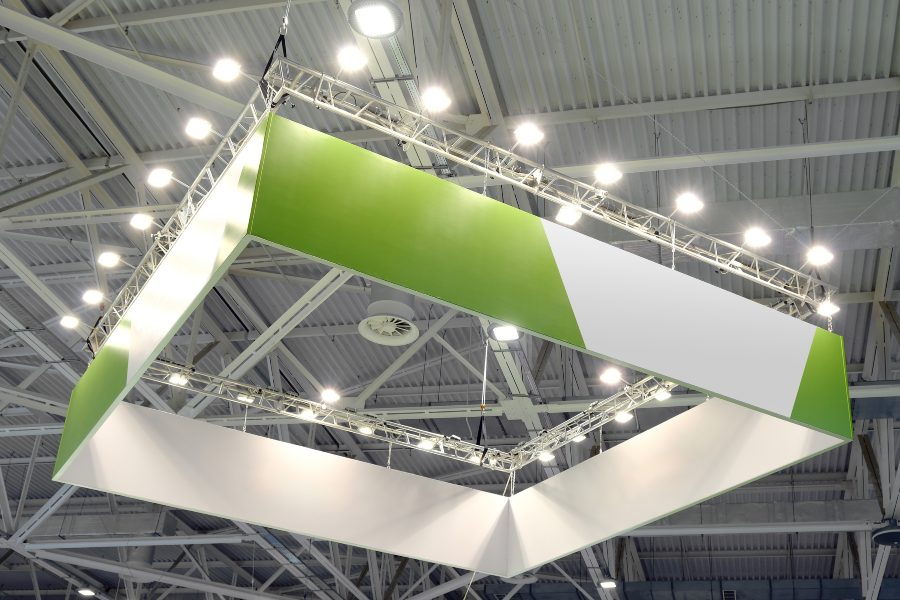
- Truss Display Systems: Truss systems mimic the look of concert lighting rigs. They are incredibly durable and project an industrial aesthetic. Truss components lock together quickly and are strong enough to support extensive overhead lighting, large hanging signs, and heavy multimedia equipment.
How Can You Maximize Your Investment in Modular Displays?
Purchasing the hardware is only the first step. To truly capitalize on your investment, organizations must implement a strategic approach to design and maintenance:
- Design With the Future in Mind: Communicate your long-term event schedule to designers so they can create a master layout that intelligently breaks down into smaller, self-contained sections for various show sizes.
- Focus on Graphic Updates: Rather than buying new hardware, order new tension fabric skins to launch a new product or rebrand at a fraction of the cost.
- Invest in Storage and Maintenance: Use hard shipping cases to protect frames and graphics during transport, and inspect all connectors after each show to ensure the system remains in pristine condition.
Elevate Your Next Event With Southeast Exhibits & Events
Navigating the complexities of event marketing requires reliable, scalable solutions. Modular displays offer the perfect balance of visual impact, logistical efficiency, and financial prudence. By choosing a system that adapts to your changing needs, your organization can dominate the show floor without exceeding the marketing budget. If your company is ready to transition to a more adaptable exhibit strategy, contact us today in Atlanta, GA. Our team of experts can help you design a modular configuration that perfectly aligns with your brand objectives and event schedule.
Frequently Asked Questions
Navigating the world of trade show marketing often involves balancing high visual impact with practical logistical constraints. To help you better understand how modular systems can address these challenges, we have compiled a list of common questions about their design, versatility, and long-term value. Exploring these frequently asked questions will provide clarity on how an adaptable exhibit strategy can streamline your event planning while maintaining a professional, cohesive brand presence across venues.
How Much Do Modular Trade Show Displays Typically Cost?
The initial cost of a modular display varies widely based on size, materials, and accessories. However, the lifetime cost is generally lower than custom builds due to savings on shipping, labor, and reuse.
Can Modular Displays Support Heavy Products or Monitors?
Yes. Extrusion-based and truss modular systems are specifically engineered to bear significant weight. They can easily support large flat-screen televisions, heavy product shelving, and extensive lighting fixtures when configured correctly.
How Long Does It Take to Assemble a Modular Trade Show Booth?
Assembly time depends on the size and complexity of the booth. Two people can often assemble a standard 10×10 tension fabric display in under an hour. Larger 20×20 extrusion systems may require a few hours and professional labor, but they still assemble much faster than traditional custom wood builds.
Are Modular Displays Suitable For International Trade Shows?
Modular displays are excellent for international events. Their lightweight construction and compact breakdown into standard shipping cases make international freight shipping much more affordable and logistically manageable compared to traditional custom exhibits.
